 Pin It
 My neighbor showed up at my door one April afternoon with a box of pastel macarons and asked if I could make something equally whimsical for her daughter's birthday party. I stood there thinking about what screams spring joy, and this cake came to mind—the kind that makes people smile before they even taste it. There's something about rainbow sprinkles against pale buttercream that just works, especially when the whole kitchen smells like vanilla and butter.
I'll never forget watching my friend's four-year-old's face light up when she saw the pastel swirls, or how she immediately asked to help frost the second layer. Suddenly it wasn't just about feeding people anymore—it became this moment where the kitchen filled with giggles and tiny fingers dusted with powdered sugar. That's when I knew this recipe was keeper.
Ingredients
- All-purpose flour: Use the right amount by spooning and leveling, not scooping straight from the bag—I learned this the hard way with dense cake layers.
- Baking powder and baking soda: Check expiration dates because stale leavening agents won't give you that perfect tender crumb.
- Unsalted butter: Room temperature butter creams smoothly and incorporates air, which is non-negotiable here.
- Granulated sugar: Beat it with the butter until you see pale ribbons forming—this takes about three full minutes with an electric mixer.
- Eggs: Room temperature eggs blend seamlessly into the batter without creating lumps or streaks.
- Pure vanilla extract: The real stuff matters because it adds warmth and depth that vanilla powder can't replicate.
- Whole milk and sour cream: The sour cream adds tenderness and a subtle tang that keeps this from tasting one-dimensional.
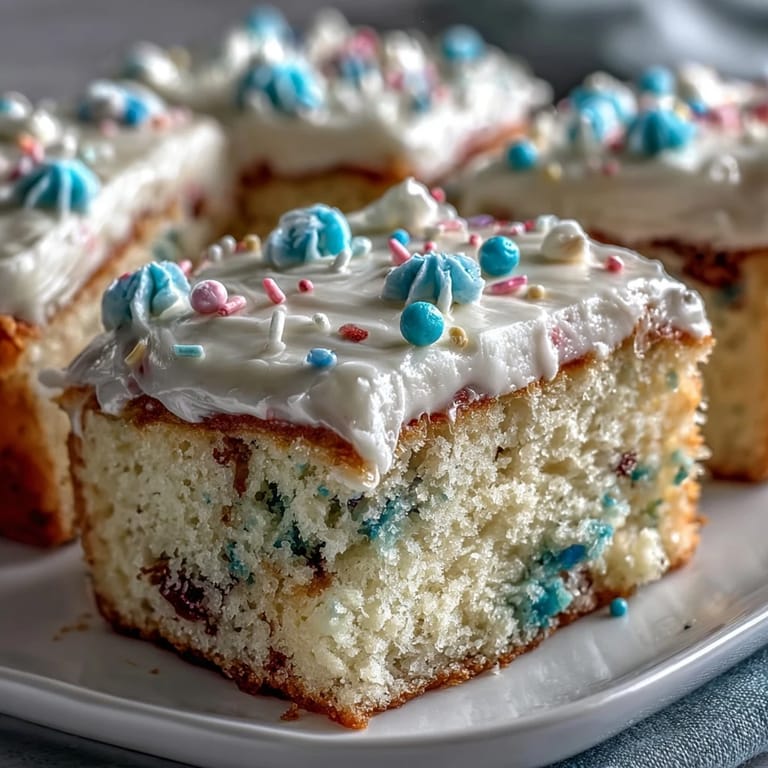
- Rainbow sprinkles: Look for jimmies rather than nonpareils because they stay colorful and don't bleed into the cake batter.
- Unsalted butter for frosting: Same logic as the cake—softened butter whips up to clouds.
- Powdered sugar: Sift it first to avoid lumps that'll texture your buttercream.
- Food coloring gels: Gels give you deeper pastel colors without thinning out your frosting the way liquid coloring does.
Tired of Takeout? 🥡
Get 10 meals you can make faster than delivery arrives. Seriously.
One email. No spam. Unsubscribe anytime.
Instructions
- Set your stage:
- Preheat the oven to 350°F and prep two 9-inch round pans with parchment—this step prevents sticking and makes cleanup feel less like a crime scene. Have all your ingredients at room temperature before you start, which takes about 30 minutes and makes a huge difference in texture.
- Build your dry base:
- Whisk flour, baking powder, baking soda, and salt in a medium bowl until evenly combined. This distributes the leavening agents so every bite of cake rises properly.
- Cream the foundation:
- Beat softened butter and granulated sugar together for about three minutes until the mixture is pale, fluffy, and looks almost whipped. You're incorporating air here, which creates that tender crumb people dream about.
- Add eggs gently:
- Drop in one egg at a time, beating well after each addition so the batter stays smooth and cohesive. Add vanilla extract and mix one more time.
- Prepare your wet mixture:
- Whisk milk and sour cream together in a separate bowl until they're unified. This combination creates the perfect balance of moisture and subtle tang.
- Alternate and fold:
- Add flour mixture and milk mixture in three parts to your butter mixture, starting and ending with flour and beating just until combined. Overmixing here can toughen your cake, so stop as soon as you see no flour streaks.
- Sprinkle magic:
- Gently fold in your rainbow sprinkles with a spatula so they distribute evenly without crushing into the batter. This keeps them colorful and visible in the finished cake.
- Fill and bake:
- Divide batter evenly between pans, smooth the tops, and bake for 28 to 32 minutes until a toothpick inserted in the center comes out clean. Your kitchen will smell absolutely incredible during this time.
- Cool with patience:
- Let cakes cool in their pans for 10 minutes (this firms them up), then turn them onto a wire rack to cool completely. Frosting warm cake is a lesson I only needed to learn once.
- Make your buttercream:
- Beat softened butter until smooth and creamy, about two minutes, then gradually add sifted powdered sugar while mixing on low speed. Add milk, vanilla, and salt, then beat on high for another 2 to 3 minutes until fluffy and light.
- Tint and color:
- Divide buttercream into four bowls and use food coloring gels to tint each one with a different pastel shade. Gel coloring won't thin out your frosting the way liquid dyes do.
- Decorate with flair:
- Dollop or pipe colored buttercream onto cooled cake layers and swirl the colors together for that marbled pastel effect. There's no strict way to do this—just have fun and trust your instincts.
 Pin It
 What makes this cake special isn't just the taste—it's the feeling it creates. I've watched it turn ordinary afternoons into celebrations and quiet home baking sessions into memories that stick with people.
Why Sprinkles Matter Here
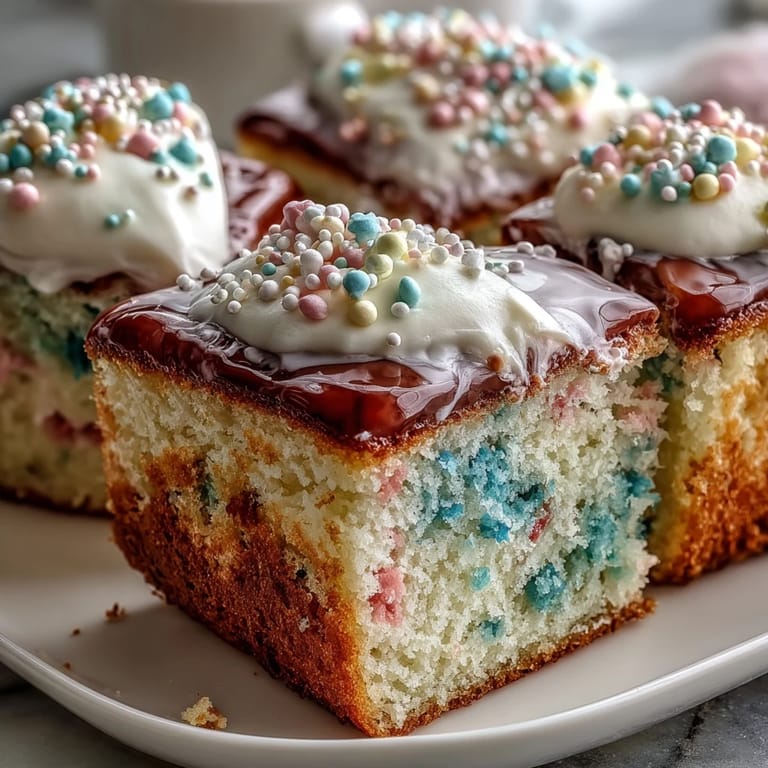
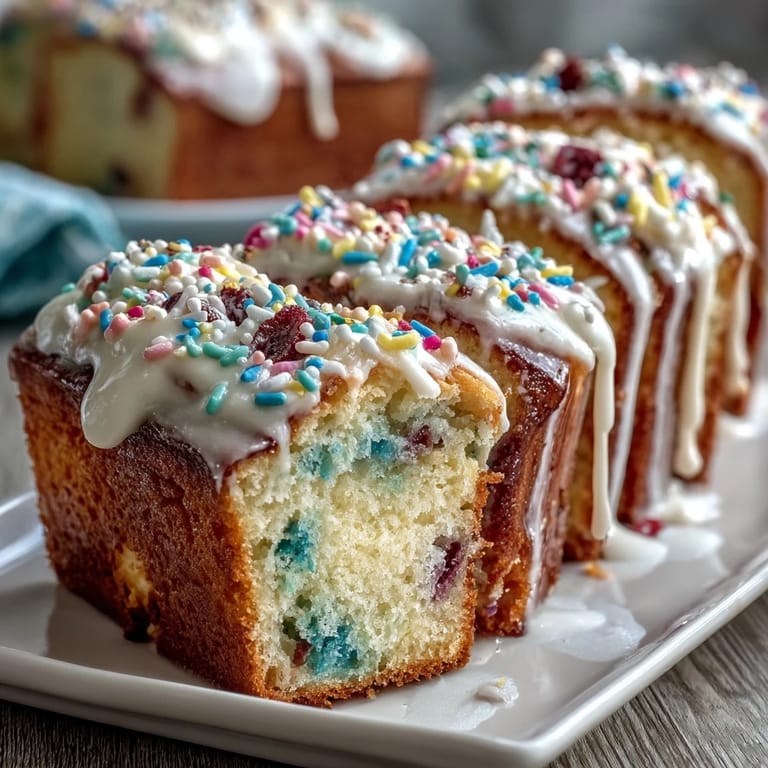
Most people overlook sprinkles as just decoration, but in this cake they're structural and visual magic. They add texture, color distribution, and that sense of playfulness that makes you smile every time you cut a slice. Quality jimmies (the rod-shaped sprinkles) stay vibrant and don't bleed their color into the batter, which keeps your crumb looking beautiful rather than muddy.
The Sour Cream Secret
Adding sour cream to a vanilla cake feels like cheating because the results are so good—it creates incredible moisture and a subtle tang that prevents the cake from tasting one-note or cloying. The lactic acid in sour cream also tenderizes the gluten, which means your cake stays soft for days instead of drying out by day two. If you're out of sour cream, Greek yogurt works as a substitute, though the flavor will shift slightly toward earthier and less tangy.
Frosting Colors and Combinations
Pastel buttercream is forgiving because pale colors look elegant and hide imperfections better than deep shades do. Use gel food coloring instead of liquid because gels stay concentrated and won't water down your frosting, and start with just a tiny amount of color—you can always add more but you can't take it out. The swirled effect is completely optional; you can also create clean sections of color, ombré layers, or even cover the whole cake in one unified pastel shade.
- Make sure your buttercream is fully cooled before tinting so colors develop evenly.
- If you want deeper pastels, add a touch more color, but remember that lighter shades are usually more stunning on this particular cake.
- Keep a damp cloth nearby to wipe piping bags between color changes so the hues stay pure.
 Pin It
 This cake has become my go-to for spring celebrations because it feels both nostalgic and fresh at the same time. Every time I make it, someone asks for the recipe, which is how I know it's hitting the mark.
Recipe FAQs
- → What kind of sprinkles work best for this cake?
Jimmies sprinkles are recommended to prevent bleeding of colors during baking and to maintain visual appeal.
- → Can I substitute sour cream in the batter?
Greek yogurt can be used as an effective substitute for sour cream, providing similar moisture and tanginess.
- → How do I achieve the pastel colors in the buttercream?
Divide the buttercream into portions and add small amounts of gel food coloring in pastel pink, blue, yellow, and purple for soft hues.
- → What is the best way to store the cake after assembling?
Store the finished cake in an airtight container at room temperature for up to two days or refrigerate to keep the buttercream fresh longer.
- → How can I ensure the cake stays moist?
Incorporating sour cream and alternating wet and dry ingredients carefully helps maintain a tender, moist crumb in the cake layers.