 Pin It
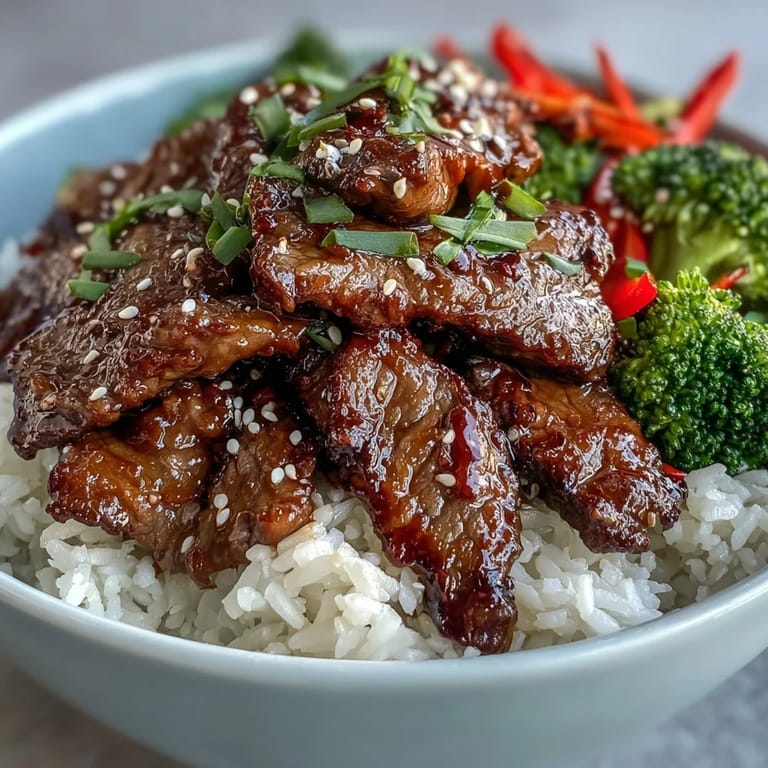
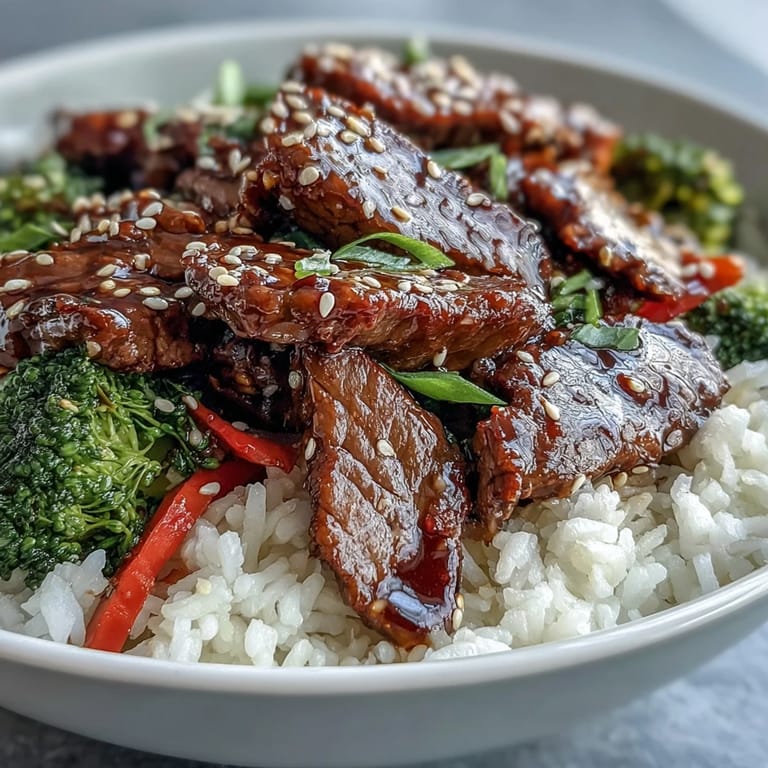
 My coworker brought a teriyaki beef bowl to lunch one Tuesday, and I watched her eat it with pure contentment while I picked at my sad desk salad. The gloss on those beef strips caught the fluorescent office light like they were lacquered, and I knew I had to figure out how to make it at home. Turns out, a proper teriyaki sauce and a hot skillet are all that separate you from restaurant quality, and honestly, it takes less time than the commute.
I made this for my sister when she was visiting last spring, and she actually paused mid-bite to ask for the recipe instead of just devouring it silently like she normally does. That moment when someone stops eating to compliment your cooking is the small victory that keeps you standing at the stove, I think.
Ingredients
- Flank steak or sirloin, thinly sliced (500 g): The thin slices cook in seconds and soak up that glaze like they were born for it, so ask your butcher to slice it for you if your knife skills aren't there yet.
- Cornstarch for beef (1 tbsp): This creates a light coating that helps the meat brown beautifully and keeps it from sticking, a small trick that makes a surprising difference.
- Soy sauce (80 ml): This is your umami anchor, the thing that makes people say "what is that amazing flavor" without knowing it's just salty depth.
- Mirin (60 ml): Sweet rice wine that balances the salt with a subtle rice-like sweetness, and it's worth hunting down because the difference between mirin and brown sugar is real.
- Honey or brown sugar (2 tbsp): Extra sweetness that caramelizes in the pan and gives the sauce that glossy restaurant finish.
- Rice vinegar (2 tbsp): A touch of acid that keeps the sauce from being one-dimensional, adding brightness you can't quite name.
- Fresh garlic and ginger (2 cloves garlic, 1 tsp ginger): These two are the heartbeat of any good teriyaki, lending warmth and complexity that makes everything taste more intentional.
- Cornstarch slurry (1 tbsp cornstarch mixed with 2 tbsp water): The thickener that transforms thin sauce into glossy coating, whisked in at just the right moment.
- Mixed vegetables (carrot, bell pepper, broccoli, spring onions): Color and crunch that contrasts with the tender beef, though you can swap these for whatever you have on hand.
- Cooked rice (2 cups): The foundation that catches all the sauce drippings, warm enough to steam gently under the hot beef and vegetables.
- Sesame seeds and extra spring onions for garnish: These finish the bowl with texture and a fresh onion bite that lifts everything up.
Tired of Takeout? 🥡
Get 10 meals you can make faster than delivery arrives. Seriously.
One email. No spam. Unsubscribe anytime.
Instructions
- Make the sauce first:
- Combine soy sauce, mirin, honey, rice vinegar, minced garlic, and grated ginger in a small saucepan over medium heat, letting it simmer gently for a minute or two so the garlic loses its rawness. Whisk in that cornstarch slurry and watch the liquid transform into something glossy and clinging within seconds, then pull it off the heat to wait patiently for its moment.
- Coat the beef:
- Toss your thin slices with cornstarch in a bowl until every piece is lightly dusted, which keeps them from welding together in the pan. This little step is the difference between clumpy beef and individually glazed strips.
- Sear the meat hot and fast:
- Get your skillet screaming hot with vegetable oil, then add the beef in a single layer if you can manage it, letting it sit for a moment before stirring. You want browning, not stewing, so don't crowd the pan or turn it into a steam bath.
- Cook the vegetables:
- In that same skillet, toss in your carrots, bell pepper, and broccoli, stirring constantly so nothing burns but everything chars slightly at the edges. Three to four minutes is your window before crisp becomes soggy.
- Bring it all together:
- Return the beef to the pan, pour that glossy sauce over everything, and toss gently so every piece gets coated. A minute of gentle heat and you're done.
- Serve with intention:
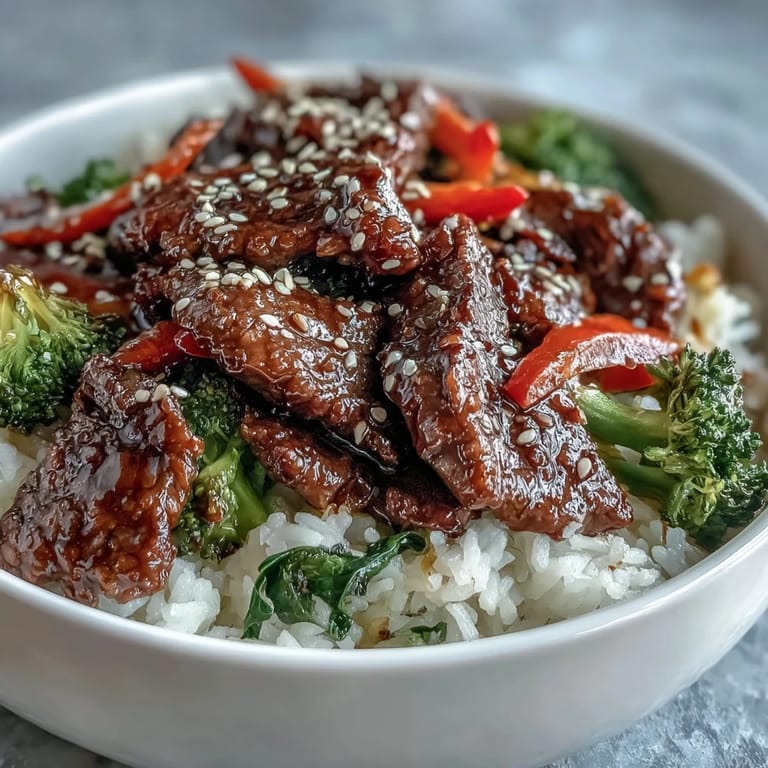
- Divide rice among bowls, pile the beef and vegetables on top, then garnish with sesame seeds and fresh spring onions so it looks like something you'd order, not something you made in your kitchen at seven p.m.
 Pin It
 My friend's eight-year-old asked for seconds and then thirds, and somewhere between plate two and plate three, I realized this bowl had quietly become the thing people ask me to cook. It's comfort with sophistication, approachable enough for a weeknight but impressive enough to feel like a small celebration.
The Secret of Good Teriyaki
Real teriyaki isn't complicated, but it does require paying attention to temperature and timing in a way that casual cooking doesn't demand. The sauce needs to simmer just enough to let flavors marry, but not so long that it reduces away to nothing, and that balance is learned by watching, not by following a timer religiously.
Variations That Actually Work
I've made this with chicken thighs when beef felt extravagant, with tofu when I wanted something lighter, and once with salmon that turned out surprisingly elegant. The sauce doesn't care what protein you choose, it just wants to coat something hot and willing, which is perhaps the most forgiving quality a sauce can have.
When You Want to Elevate It
Sometimes I'll add a squeeze of lime at the end, or a pinch of red pepper flakes if I want a subtle heat that sneaks up quietly. The bowl is already delicious, but small adjustments let you make it feel like a different meal entirely, which is valuable when you're eating something similar to last week.
- Toast your sesame seeds in a dry pan for thirty seconds before garnishing to unlock their nuttier flavor.
- Cook your rice with a splash of mirin mixed into the water for a sweeter, more cohesive bowl.
- Keep the vegetables separate from the beef until the very end if you prefer them to stay crisp rather than absorb too much sauce.
 Pin It
 This bowl has become my answer to the question "what should we cook?" because it satisfies the need for something impressive without demanding hours of your evening. Somehow that matters more as the years go by.
Recipe FAQs
- → What cut of beef works best?
Flank steak or sirloin sliced thinly against the grain works beautifully. You can also use ribeye or skirt steak for tenderness.
- → Can I make this gluten-free?
Yes! Substitute regular soy sauce with tamari or gluten-free soy sauce, and your teriyaki bowl becomes completely gluten-free.
- → How do I store leftovers?
Store beef, vegetables, and sauce separately from rice in airtight containers. Refrigerate up to 3 days. Reheat gently and add fresh rice.
- → Can I use other proteins?
Absolutely! Chicken thighs, pork tenderloin, or firm tofu work wonderfully with the same teriyaki glaze and vegetables.
- → What vegetables can I add?
Snap peas, edamame, mushrooms, zucchini, or baby corn make excellent additions. Use whatever crisp vegetables you enjoy.
- → Is mirin essential?
Mirin adds authentic sweetness and depth. If unavailable, substitute with additional honey plus a splash of dry sherry or white wine.