 Pin It
 There's a moment in late fall when the farmers market starts overflowing with tomatillos and poblanos, and I always find myself drawn to that particular corner stand. A vendor once handed me a charred sample of her homemade chili verde, and the brightness of it—that electric green color paired with smoke and heat—made me realize I'd been making the same old salsa for years. That afternoon, I went home and spent three hours getting it right, and by the time my kitchen smelled like roasted peppers and cilantro, I knew this was going to become something I'd make again and again.
I made this for my neighbor during a particularly rough week on her end, and she showed up the next day saying she'd eaten it three times in 24 hours—straight from the container while standing at her kitchen counter. That's when I realized this wasn't just comfort food; it was the kind of thing that makes people feel cared for without any fuss.
Ingredients
- Boneless, skinless chicken thighs or breasts (2 lbs): Thighs stay more forgiving and juicy when simmered, but breasts work if that's what you have on hand.
- Tomatillos (1.5 lbs, husked and rinsed): Don't skip the husking step—those papery shells come right off and reveal the bright fruit underneath that makes this sauce sing.
- Poblano peppers (2): These are the backbone of your heat level; they're mild and fruity when charred, nothing too aggressive.
- Jalapeño peppers (2, seeded for less heat): Leave the seeds in if you want a sharper kick, or remove them for something gentler on the palate.
- Large onion (1, peeled and quartered): Charring the onion transforms it into something sweet and almost caramelized—don't skip this step.
- Garlic cloves (6, unpeeled): Unpeeled garlic won't burn under the broiler and slips right out of its skin once cooled.
- Fresh cilantro (1 bunch, about 1 cup loosely packed): Use the leaves and tender stems; the flavor difference between fresh and dried here is non-negotiable.
- Chicken broth (1/2 cup): This thins the sauce to the right consistency without diluting the flavor you've built.
- Ground cumin (1 tsp) and dried oregano (1 tsp): These spices don't compete; they settle into the background and make everything taste more intentional.
- Fresh lime juice (1 tbsp): Squeezed right before serving keeps the acidity bright and present.
- Vegetable oil (2 tbsp): Use something neutral so it doesn't interfere with the char and spice you're building.
- Kosher salt and freshly ground black pepper: Season the chicken generously before it hits the pot; this is your first layer of flavor.
Tired of Takeout? 🥡
Get 10 meals you can make faster than delivery arrives. Seriously.
One email. No spam. Unsubscribe anytime.
Instructions
- Get your vegetables ready for charring:
- Preheat your broiler all the way to high—you want real heat, not just warmth. Arrange your tomatillos, poblanos, jalapeños, quartered onion, and unpeeled garlic cloves on a baking sheet in a single layer. Slide it under the broiler and let it go for 8 to 10 minutes, turning everything with tongs halfway through so each piece gets that deep, blistered char on all sides.
- Cool and prep:
- Once the vegetables are blackened and soft, pull the sheet out and let everything cool just enough to handle. The garlic slips right out of its papery skin, and you can pull the stems and seeds from the peppers—or leave the seeds if you want more heat.
- Build your sauce:
- Dump all those charred vegetables into a blender along with the peeled garlic, cilantro, chicken broth, cumin, oregano, and lime juice. Blend it smooth—you're looking for that bright green, pourable consistency that clings slightly to a spoon.
- Sear your chicken:
- While that sauce is blending, season your chicken pieces generously with salt and pepper. Heat your oil in a large Dutch oven or heavy pot over medium-high until it shimmers, then add the chicken and sear for about 3 to 4 minutes per side until you get some golden color. Don't move it around too much; let it sit and develop that crust.
- Bring it all together:
- Pull the chicken out and set it aside. Pour that green sauce right into the pot, scraping the bottom with a wooden spoon to grab all the browned bits stuck there—that's flavor gold. Let it come to a simmer over medium heat.
- Simmer gently:
- Nestle the chicken back into the sauce, cover the pot, and let it simmer gently for 45 to 50 minutes until the chicken is so tender it practically falls apart. The sauce will bubble softly around the edges; that's exactly what you want.
- Shred and finish:
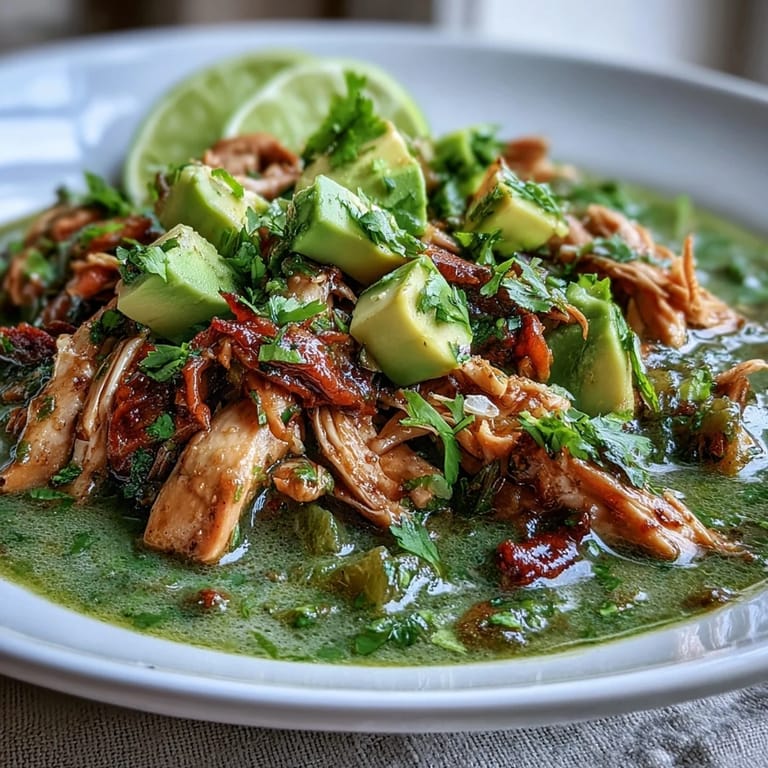
- Remove the chicken pieces and shred them right in the pot with two forks, letting the meat break apart into the sauce. Give it a few more minutes uncovered if you want the sauce thicker, stirring occasionally.
 Pin It
 My son came home from school one afternoon to find the kitchen filled with that green-pepper-and-cilantro smell, and he actually sat down at the table without being asked and just stayed there while I finished cooking. Sometimes dinner is just dinner, but sometimes it's the moment someone feels like they belong exactly where they are.
The Secret Behind the Color
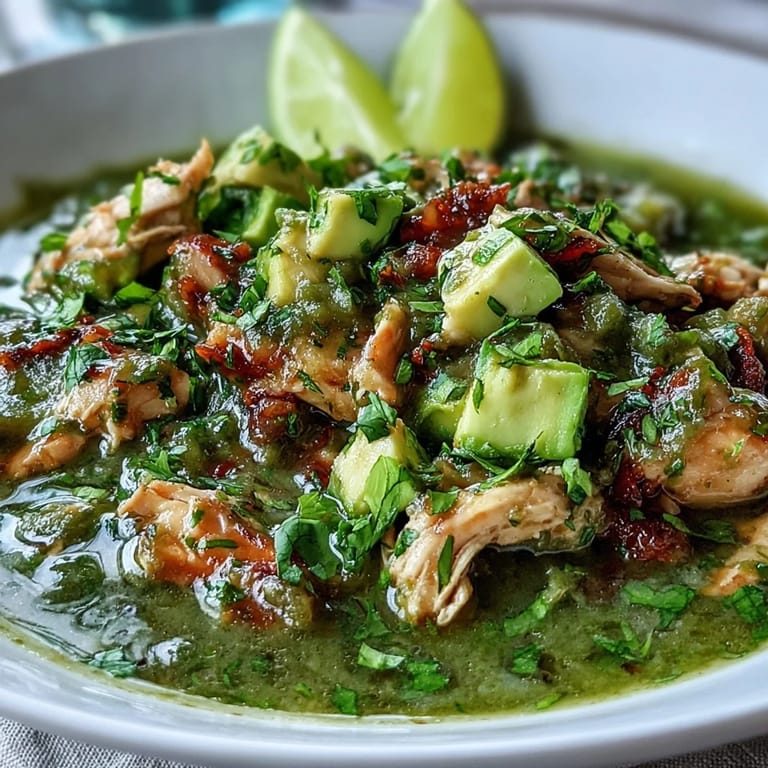
That vibrant green color isn't just for looks—it's a signal that you haven't cooked anything to death. Tomatillos stay bright when they're cooked fast and with acidity, which is why the lime juice goes in at the end and not the beginning. I learned this the hard way after making a batch where I added lime to the blender and ended up with a brownish-green sauce that tasted fine but looked sad. Now I always wait, and the difference is immediate.
Customizing Your Heat Level
Everyone's spice tolerance is different, and this dish is forgiving enough to adjust on the fly. You can completely control the heat by varying your jalapeño approach—seed them all for something mild enough for a kid's palate, leave all the seeds in for something that makes your eyes water, or split the difference and see where your comfort zone lives. I usually make mine medium and keep the lime wedges and toppings on the side so people can adjust their own experience.
Serving and Storage
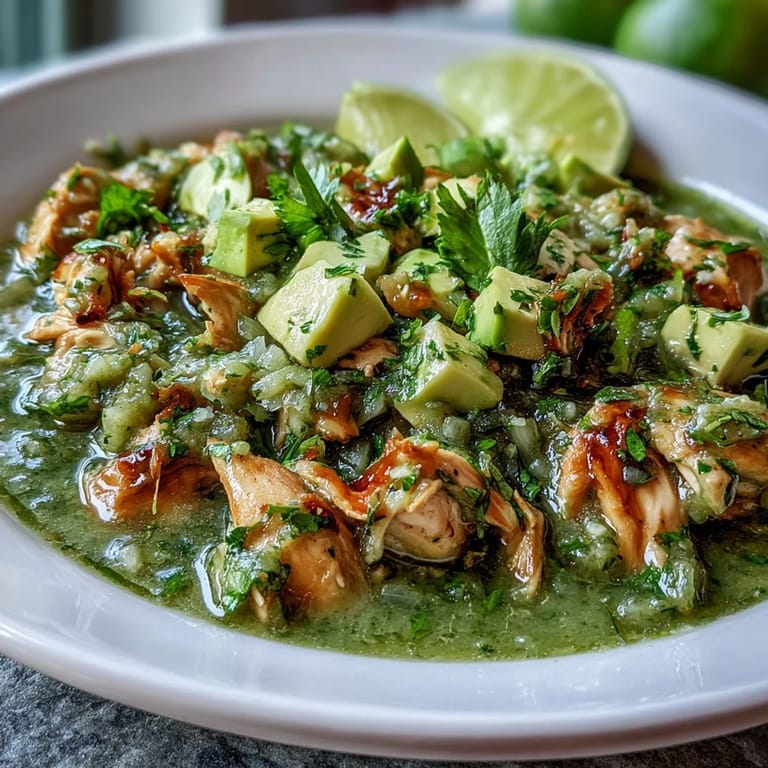
This dish is best served hot with all the fresh garnishes piled on top—the cilantro, avocado, radishes, and lime wedges aren't decorative, they're functional. They add brightness and contrast to every spoonful, and they're what make this feel celebratory rather than ordinary. Leftovers keep beautifully for three days in the fridge, and honestly, the flavors deepen overnight.
- Warm corn tortillas alongside for scooping up every drop of sauce.
- White rice or black beans under the chili verde makes it feel more substantial.
- A cold Mexican beer or sparkling agua fresca cuts through the richness and complements the heat perfectly.
 Pin It
 This is the kind of dish that reminds you why cooking matters—not because it's complicated, but because it brings people together with something bright and nourishing and made with your own hands. Make it once, and I promise you'll find yourself planning when to make it again.
Recipe FAQs
- → What makes chicken chili verde different from regular chili?
Chicken chili verde features a vibrant green sauce made from tomatillos, poblano peppers, and jalapeños rather than tomatoes and red chilies. The sauce is tangy, bright, and slightly citrusy from fresh lime juice, creating a lighter flavor profile compared to traditional red chili.
- → Can I make this dish less spicy?
Absolutely. Remove all seeds from the jalapeño peppers and reduce the quantity to one instead of two. You can also substitute the jalapeños with mild Anaheim peppers. The tomatillos and poblano peppers provide plenty of flavor without significant heat.
- → What's the best way to serve chicken chili verde?
Serve hot in bowls with warm corn or flour tortillas for scooping up the sauce and chicken. It pairs beautifully with Mexican rice, refried beans, or over a bed of cilantro-lime rice. Traditional garnishes like diced avocado, sliced radishes, chopped fresh cilantro, and lime wedges add fresh contrast.
- → Can I prepare the green sauce in advance?
Yes, the blended verde sauce keeps well in the refrigerator for up to 3 days or can be frozen for up to 3 months. Prepare the sauce through step 2, cool completely, and store in an airtight container. When ready to cook, proceed with searing the chicken and simmering in the pre-made sauce.
- → What cut of chicken works best for this dish?
Boneless, skinless chicken thighs are ideal because they stay tender and juicy during long simmering. Chicken breasts work well too but may dry out slightly if overcooked. Thighs also shred more easily into bite-sized pieces after simmering.
- → Can I make chicken chili verde in a slow cooker?
Yes. After blending the sauce, place the raw seasoned chicken in the slow cooker and pour the verde sauce over the top. Cook on low for 6-7 hours or high for 3-4 hours until the chicken is tender. Shred the chicken in the cooker and let it absorb the sauce for another 15-20 minutes before serving.